
So should you charge your phone to 100 percent, or are you quietly killing the battery every night? Almost everyone has heard some version of the rule: never fully charge, never fully drain, keep it in the middle forever.
The honest answer is less dramatic than either camp claims. Charging to 100 percent does age a battery slightly faster, in a specific way that is worth understanding. But it is not the main thing wearing your battery out, and for many people it is not worth reorganising their life around. Here is what is actually going on.
What a Full Charge Actually Does to a Battery
Phone batteries are lithium-ion, and lithium-ion chemistry is least comfortable at the extremes: sitting completely full or completely empty stresses it in a way that sitting in the middle does not. Time spent at 100 percent, especially combined with warmth, slowly reduces the total capacity the battery can hold.
Two details matter more than the headline. First, it is the time spent sitting full that does most of the work, not the act of reaching 100 percent. Charging to full before a long day and then using the phone is very different from leaving it pinned at full on a charger for days. Second, the effect is gradual: no single full charge damages anything measurably. Battery University’s guide to charging lithium-ion batteries goes deeper into the chemistry if you want the technical version.
The 20 to 80 Rule, Explained Honestly
The popular advice, keep your battery between 20 and 80 percent, comes straight from the point above: avoid the stressful extremes and the battery ages more slowly. It is real advice with a real effect. It is also routinely oversold.
The benefit is modest and long-term. It matters most if you keep a phone for three or four years and want the battery to feel decent in year three. If you upgrade every couple of years, the difference a strict charging routine makes over that span is small enough that most people will never notice it. And a rule you have to think about every single day is a rule most people abandon by February, which is fine, because there is a better way to get the same benefit (covered below).
The Thing That Matters More Than Percentages: Heat
If you take one idea from this article, take this one: heat ages batteries faster than full charges do. A phone regularly charged in a hot car, used for gaming while fast charging, or left cooking on a sunny windowsill will lose capacity faster than a phone charged to 100 percent every night in a cool room.
This is why our guide to a phone overheating while charging exists: heat is the common thread behind most premature battery wear, and it is usually easier to fix than your charging percentage. Charge on a hard, cool surface, take the thick case off if the phone gets hot while charging, and keep it out of direct sun.
Let the Phone Do It for You: Built-In Charge Limits
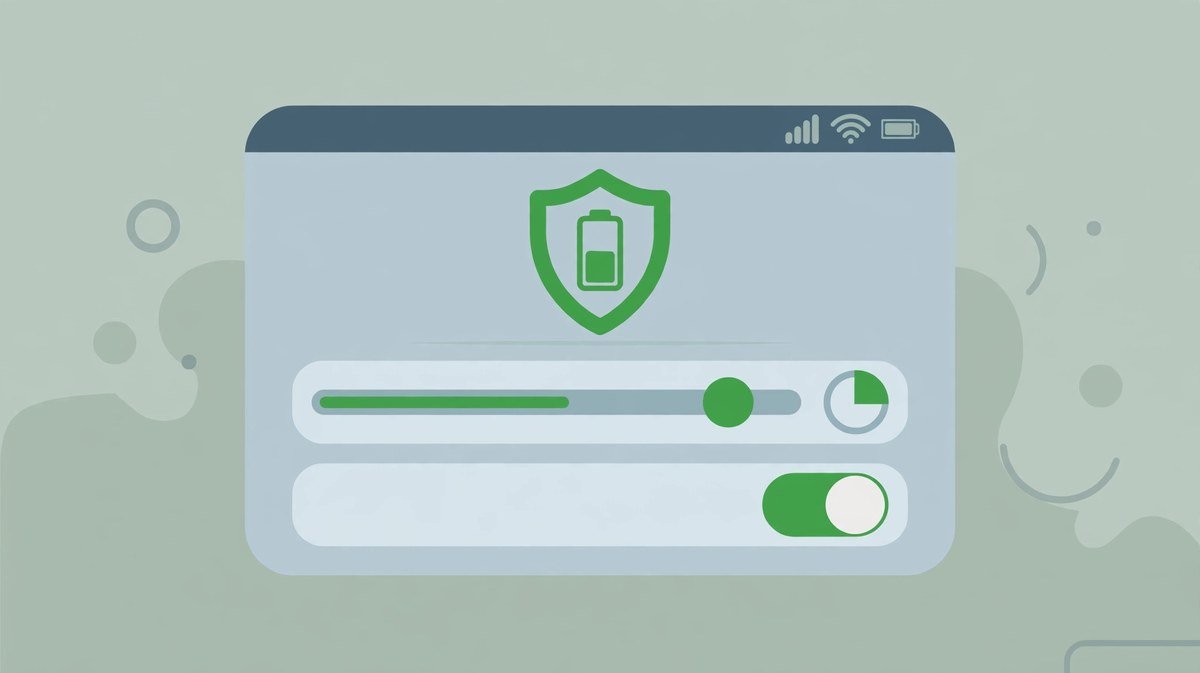
The good news is that manufacturers have automated the 20 to 80 idea, so you can get the benefit without thinking about it:
On iPhone: Optimized Charging learns your routine and holds the charge around 80 percent until shortly before you usually wake up. Newer iPhone models go further and offer a hard 80 percent limit in Settings > Battery > Battery Health & Charging.
On Samsung: the Protect Battery option caps charging at 85 percent, in Settings > Battery.
On Google Pixel: Adaptive Charging completes the charge just before your morning alarm instead of sitting at full all night.
Set one of these once and forget it. It is the entire debate, handled by the phone, at zero daily effort.
What About Charging Overnight?
Overnight charging is fine. Modern phones stop drawing meaningful power when full and manage the top of the charge carefully; you cannot overcharge them in the way older technology could be. Add optimized or adaptive charging and the phone spends most of the night below full anyway, which removes the one genuine downside of the overnight habit.
The people who should think twice are not overnight chargers but overnight chargers in hot rooms, with the phone buried under a pillow. Same cable, same percentage, very different heat.
A Simple Routine That Actually Works
If you keep phones for three or more years: turn on your phone’s built-in charge limit or optimized charging, charge overnight without worry, and keep the phone cool while it charges. Top up during the day whenever you like.
If you upgrade every one to two years: charge however is convenient. The battery will outlast your ownership comfortably.
Either way, when you need a full battery for a long day of travel, maps, and photos, charge to 100 percent and use it. That is what the battery is for. And if your battery already drains fast regardless of how you charge, the cause is probably something else entirely: our complete guide to why a phone battery is draining so fast shows how to find it.
Frequently Asked Questions
Is it bad to charge my phone to 100 percent once in a while?
No. Occasional full charges are harmless. What ages a battery is spending lots of time sitting at full charge, especially in heat, repeated over months and years.
Does fast charging to 100 percent hurt the battery more?
Fast charging generates more heat, and heat is the bigger enemy. Use fast charging when you are in a hurry; for overnight charging, a standard charger plus optimized charging is the gentlest combination.
Should I let my battery drain to zero before charging?
No. Regularly running a lithium-ion battery to empty stresses it more than topping it up does. The old advice about full drain cycles belongs to much older battery technology.
Is the 80 percent limit worth using?
If your phone has a built-in limit and you plan to keep the phone for years, yes: it costs you a little daily range and buys you a healthier battery in year three. If you rely on every percent of range daily, skip it and use optimized charging instead.
The Bottom Line
You can charge your phone to 100 percent. It ages the battery a little faster than stopping at 80 would, but heat, time, and total charge cycles matter more, and built-in limit features now handle the optimisation for you. Set one, keep the phone cool while charging, and stop feeling guilty about the number at the top of the screen.